
What IHLA does.
Three programs, all of them built around the same problem: a community language school is fragile on its own, and durable inside a network.
- 01Professional developmentWorkshops, seminars and certificate courses for heritage language teachers — many of whom are volunteers, and many of whom trained as teachers in another country.
- 02School mentorshipFunded, hands-on mentorship pairing established school leaders with newer ones. Six member schools were funded in the most recent programme year.
- 03Advocacy & representationMaking the case to school boards, government and the public that multilingualism is an asset worth recognising, accrediting and funding.
Professional development
Most heritage language teachers are volunteers. Many hold teaching qualifications from another country that Canada does not recognise. IHLA runs workshops, seminars, certificate programs and university-affiliated courses so that a Saturday-morning classroom is taught with the same care as a Monday-morning one.
- Pedagogy for mixed-age, mixed-fluency classrooms
- Assessment and reporting for community schools
- Technology and mobile tools in language learning
- Presentation and classroom-management skills
- Guidance on Alberta teaching credentials and pathways
School mentorship
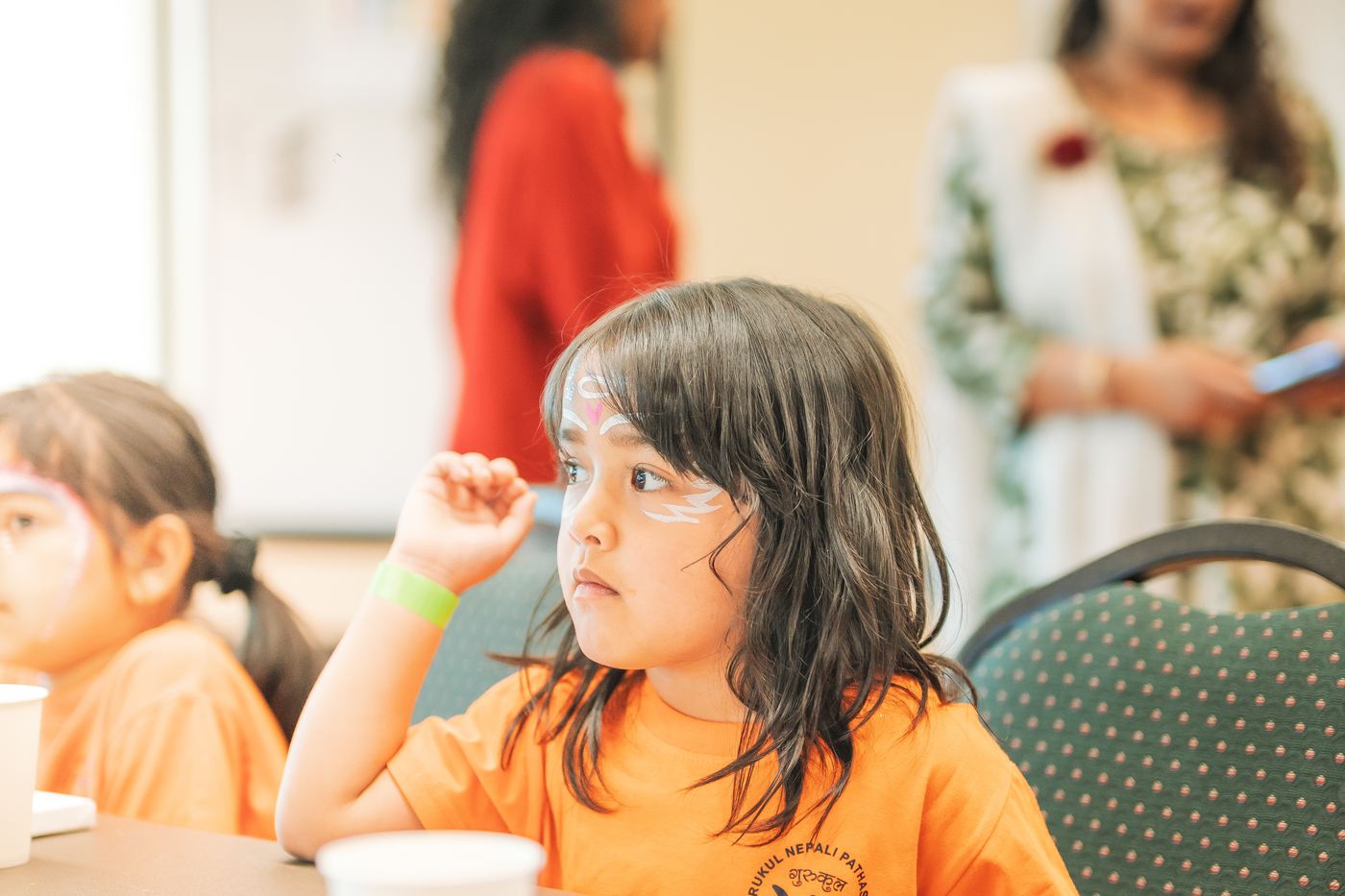
A funded program pairing experienced school leaders with newer or struggling ones. Mentee schools set their own goals — governance, enrolment, teacher retention, financial footing — and report back to the principals' meetings through the year. Six schools were funded in the most recent programme year.
- Matched mentor from an established member school
- Funding attached to an agreed school-improvement plan
- Interim and final reporting to the principals' group
- Peer accountability rather than top-down assessment
Advocacy & representation
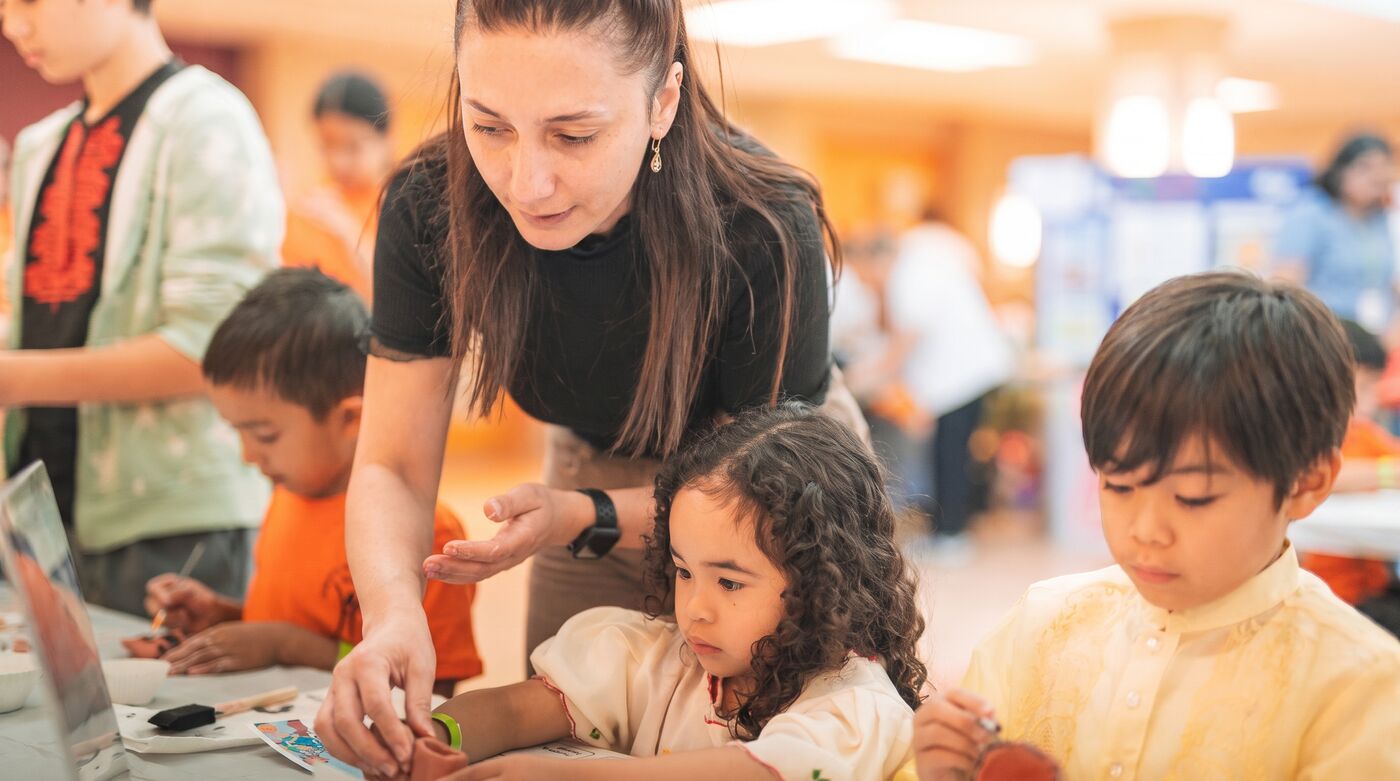
IHLA argues for three things: that heritage language skills should be recognised and accredited in Alberta high schools; that the professional backgrounds of heritage language teachers should be acknowledged here; and that young people, the public and policymakers should understand what multilingualism is actually worth.
- Representation to school boards and provincial government
- Regional affiliate of the Canadian Languages Association
- Member of the Linguapax International network
- Partnership on multicultural environmental camps with AAME
Teacher training, recorded
Every session IHLA has recorded, free to watch. Pedagogy and assessment, classroom technology, and the work of Indigenous language revitalization on this territory.
- WebinarMulti-modal learningDr. Olenka Bilash — Pictures, texts, speeches, stories, dance, song and drama built into interactive lessons.Watch
- WebinarThe basics of assessmentDr. Olenka Bilash — Assessment for learning, as learning and of learning — journals, rubrics and observation.Watch
- WebinarTeaching for global citizenshipDr. Olenka Bilash — Holding a global perspective and a local community together in the same classroom.Watch
- WebinarDeveloping plurilingual identitiesDr. Renata Emilsson Peskova — Doctoral research from the University of Iceland on using students' full linguistic repertoires.Watch
- WebinarThe show must go onTracy Carroll — Theatre games, speech exercises, movement and text as second-language instruction.Watch
- WebinarMaking our way, inspired and motivatedEliana Aloisio and Kathryn Babowal — Emotional patterning techniques for building a positive classroom climate.Watch
- WebinarEngaging children in their heritage languageArchana Kumar — From a teacher with nearly twenty years in the classroom.Watch
- WebinarGo outside and playChristina Pickles — Hands-on outdoor activities for language learning.Watch
- WebinarCree language revitalizationCharlotte Ross — “Language speakers often do not realize the extent of the richness” they carry.Watch
- WebinarIndigenous ways of knowingTheresa “Corky” Larsen-Jonasson — Tobacco teachings, ribbon colours, smudging and sharing circles.Watch
- WebinarRevitalizing Indigenous languagesSimon Bird — Approaches to teaching and reviving Indigenous languages.Watch
Your language belongs in this collection.
Whether you are looking for a Saturday class for your child, running a school that could use a network behind it, or teaching a language you love — there is a way in.